Satopanth Lake Trek


Highlights of the trek
Satopanth Lake: Walking the Path of the Pandavas - A Trek Like No Other
Imagine standing at 15,100 feet above sea level, your breath visible in the crisp mountain air, gazing at a perfectly triangular emerald-green lake surrounded by snow-capped peaks that touch the clouds. This isn't a scene from a fantasy movie—this is the breathtaking reality of Satopanth Lake, one of India's most sacred and spiritually significant high-altitude destinations.
If you've been searching for a trek that goes beyond physical challenge and offers something deeply transformative—a journey steeped in ancient mythology, raw Himalayan wilderness, and spiritual awakening—then Satopanth Lake Trek is calling your name.
Unlike commercial treking routes crowded with tourists, Satopanth remains relatively untamed and mystical. Walking this trail, you're literally following the legendary footsteps of the Pandavas from the Mahabharata, trekking through the same wilderness they traversed during their final journey to heaven. Every step carries meaning. Every peak holds a story.
Over 5,000+ trekkers now undertake this spiritual expedition annually, and the numbers are growing as word spreads about this extraordinary blend of mythology, natural beauty, and transformation. What makes Satopanth truly special isn't just the breathtaking landscapes—it's the feeling that you're on a sacred pilgrimage, not just a tourist attraction. This is the path of truth (literally—"Sato" means truth, "Panth" means path). And it's waiting for you.
What is Satopanth Lake Trek? Understanding This Sacred Himalayan Journey
Satopanth Lake Trek is a moderately challenging high-altitude trek in the Garhwal Himalayas of Uttarakhand, India. It leads to Satopanth Lake (also called Satopanth Tal), a sacred glacial lake located at an elevation of approximately 4,600 meters (15,100 feet) in the Chamoli district, just above the pilgrimage site of Badrinath.
The trek combines adventure, spirituality, mythology, and raw Himalayan beauty into a single transformative experience. It's not just about reaching a destination—it's about the sacred journey itself, the stories that unfold with every step, and the spiritual transformation that happens when you're surrounded by the majesty of these ancient mountains.
What Makes Satopanth Different?
While many treks focus solely on physical achievement, Satopanth integrates three dimensions:
1. Spiritual Significance: The lake is believed to be where the Holy Trinity (Brahma, Vishnu, and Shiva) meditate on auspicious occasions. Pilgrims visit to bathe in these sacred waters during important festivals like Ekadashi.
2. Mythological Richness: Every step carries the echo of the Mahabharata. You walk through places like Bheem Pul (stone bridge), Vyas Gufa (sage's cave), and follow the literal path the Pandavas took toward their transcendence to heaven.
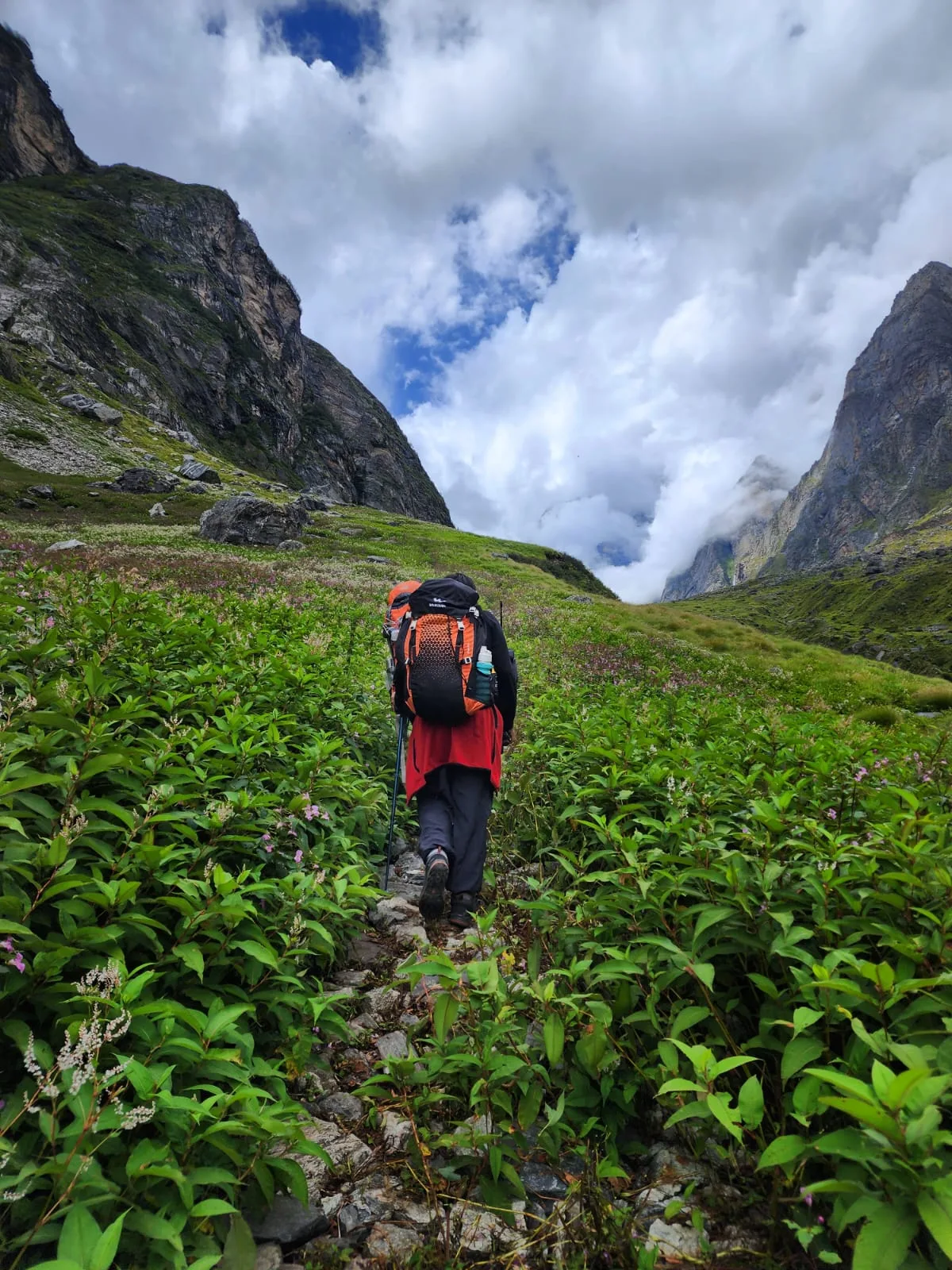
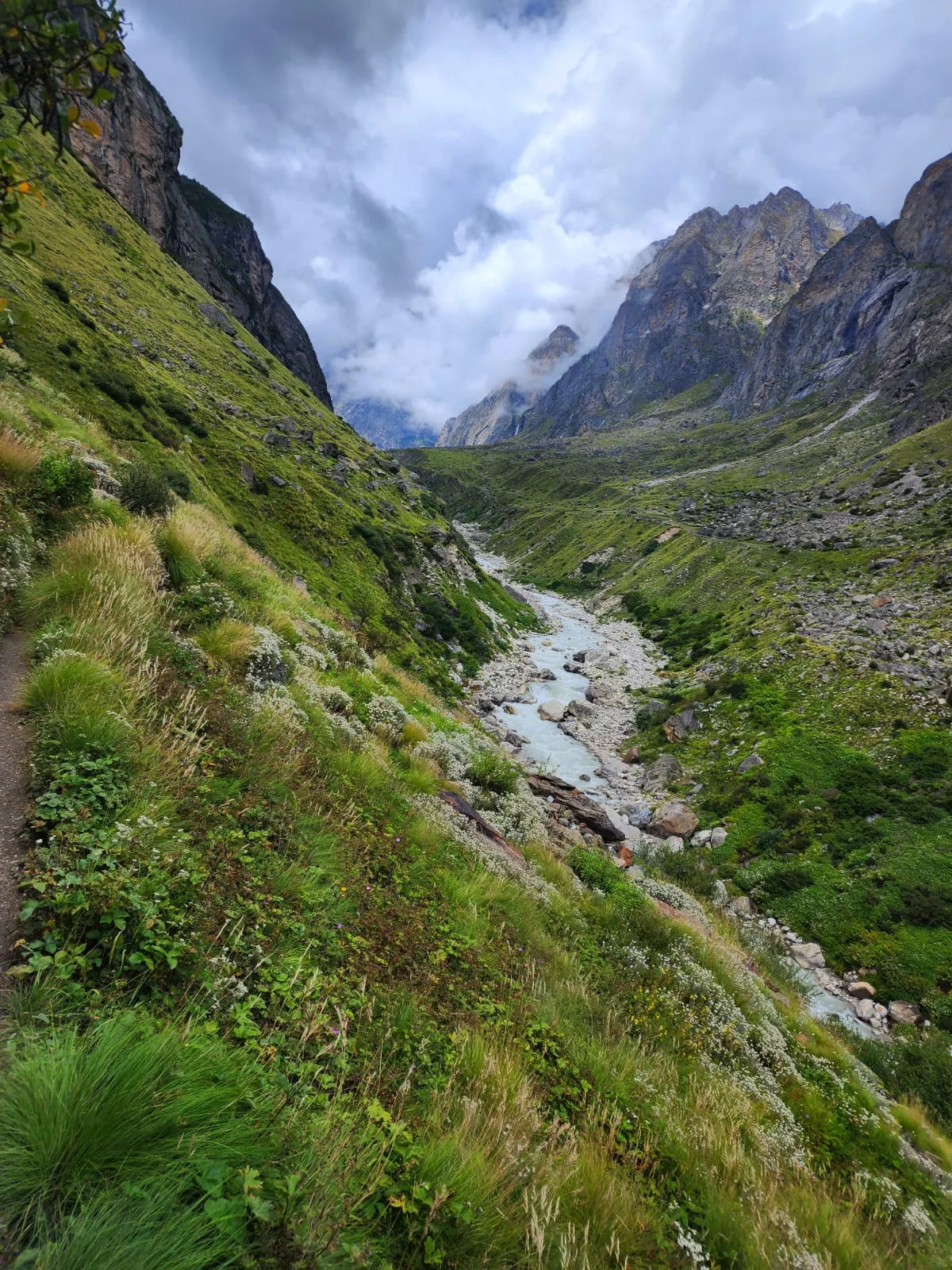
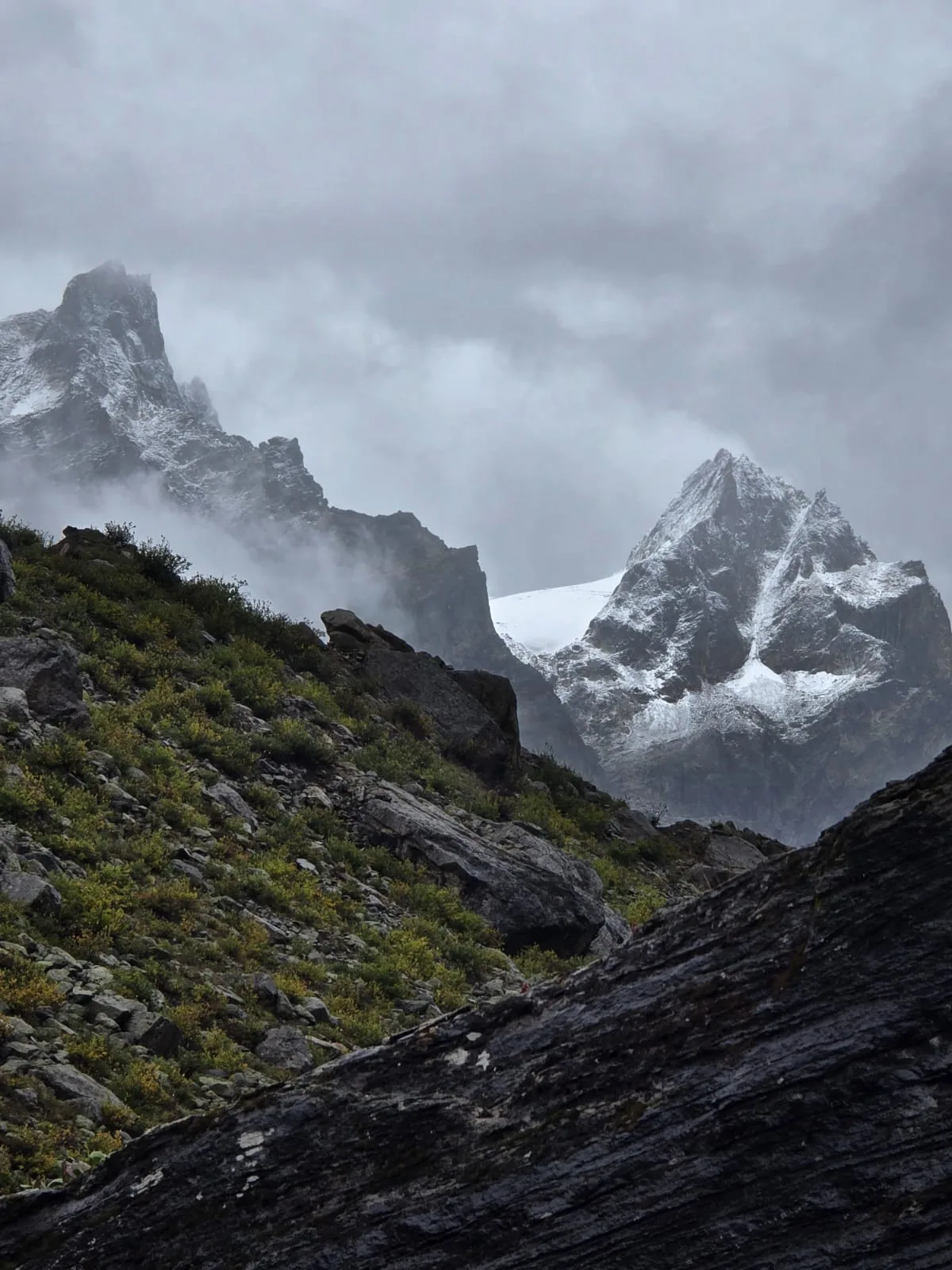
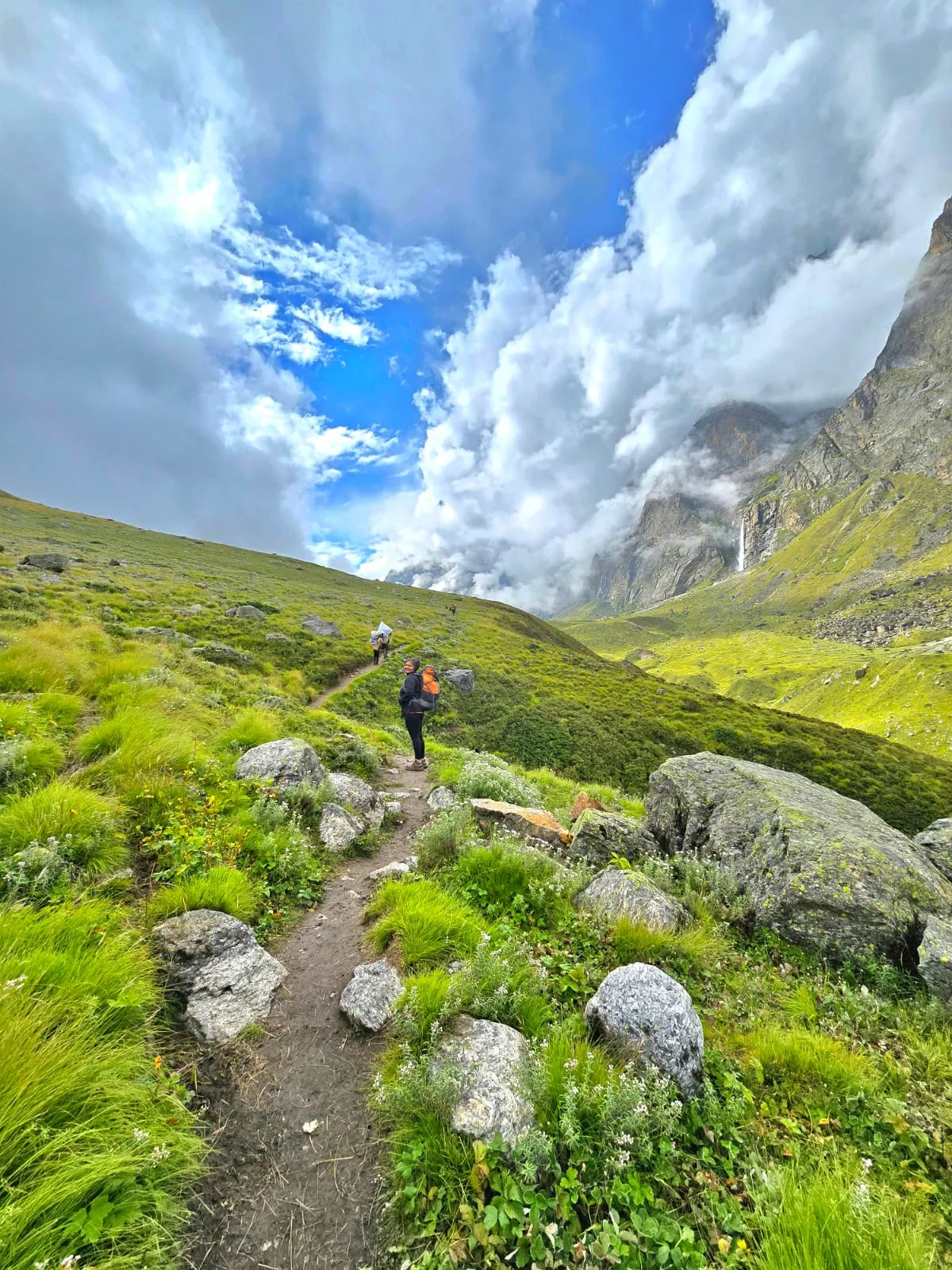
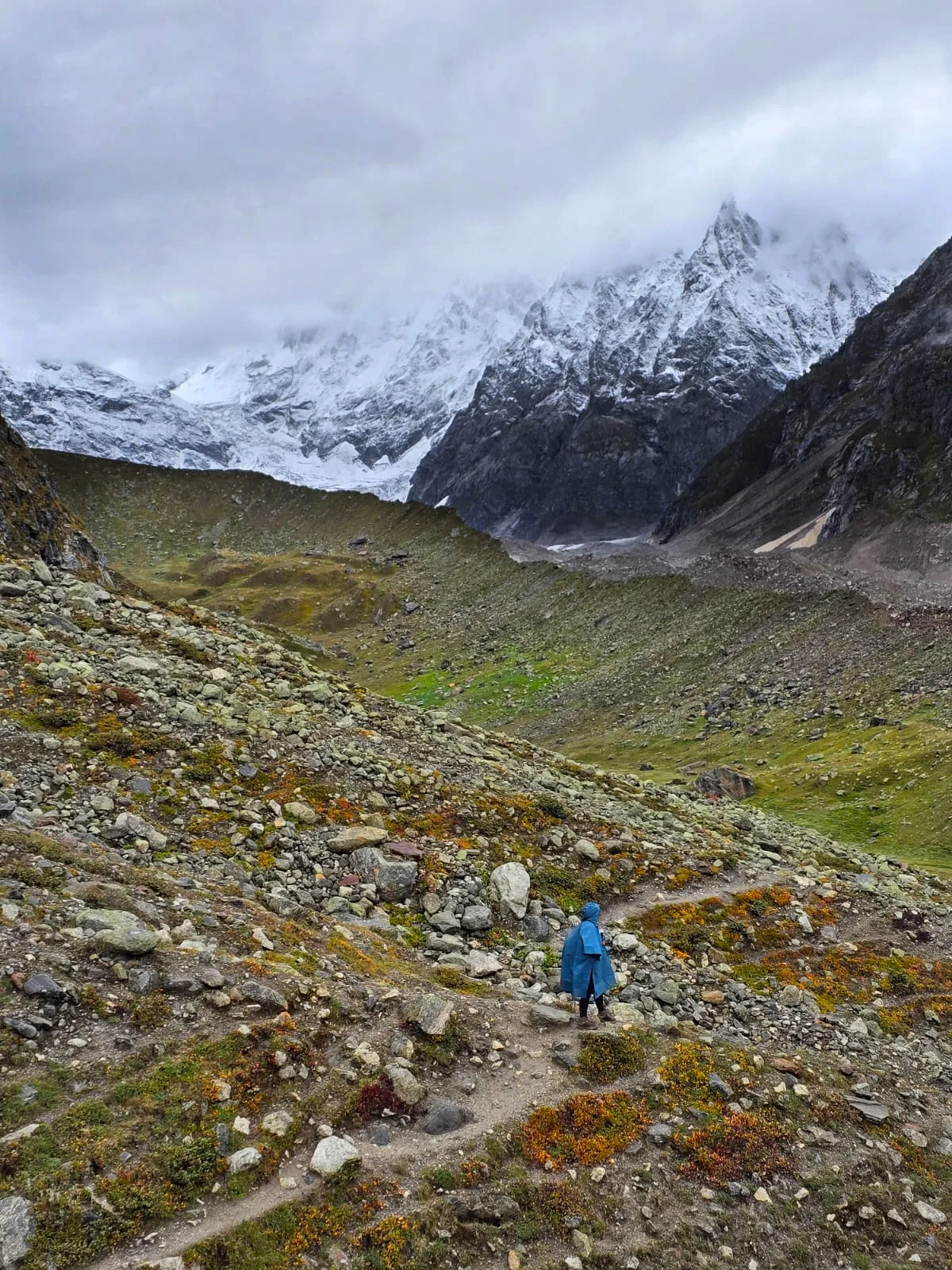
3. Unmatched Natural Beauty: The trek showcases multiple Himalayan peaks, glaciers, waterfalls (including the 400-foot Vasudhara Falls), and landscapes that shift from dense forests to alpine meadows to glacial moraines.
Why Satopanth Lake Trek is Rising in Popularity: The Numbers & Stories
The Spiritual & Adventure Boom
Annual Trekker Growth: While Satopanth remains relatively less crowded than mainstream treks, 5,000+ trekkers now complete this trek annually, with growth rates of 25-30% year-on-year. This is a destination on the rise—adventurers are discovering what pilgrims have known for centuries.
Review Ratings: Satopanth consistently receives 4.7-4.8 star ratings on platforms like TripAdvisor and escape2explore, with over 200+ verified trekker reviews praising its spiritual atmosphere, mythological significance, and natural beauty.
Social Media Presence: Instagram hashtags like #SatopanthLake and #SatopanthTrek generate 15,000+ posts and growing, with travel influencers calling it "the most spiritual trek in India" and "a journey that changes you from within."
Why Adventure Seekers Are Choosing Satopanth:
1. Authentic Spiritual Experience: In a world of commercial tourism, Satopanth offers something rare—a trek that feels like a pilgrimage. Trekkers frequently report profound emotional and spiritual experiences at the lake.
2. Mythological Immersion: Unlike generic treks, every location has a story. Pilgrims get to understand and experience the legends of the Pandavas, making the trek intellectually and emotionally rich.
3. Lower Crowds, Higher Serenity: With fewer trekkers than popular routes, you experience the mountains' true silence and power. No crowds, just mountains and stories.
4. Challenging Yet Achievable: The difficulty level (moderate to challenging) appeals to trekkers wanting to push beyond beginner-level trails but aren't ready for technical mountaineering.
5. Unique Landscape Diversity: Satopanth offers variety—forests, meadows, glaciers, waterfalls, and moraines—giving you different Himalayan experiences within a single trek.
6. Higher Altitude Experience: At 15,100 feet, you're experiencing genuine high-altitude trekking without technical climbing, making it perfect for building altitude endurance for future expeditions.

Overview
Itinerary
Inclusion
Stays as per itinerary
3 Nights stay at Mana village
2 nights at Lakshmivan
2 Nights Chakrateerth
Stay only at Badrinath and Mana village.
From Mana to Lakshmivan on Day 3 meals starts from packed lunch.
Lunch from Day 3 to Breakfast on Day 7 (All meals Lunch Dinner Breakfast )
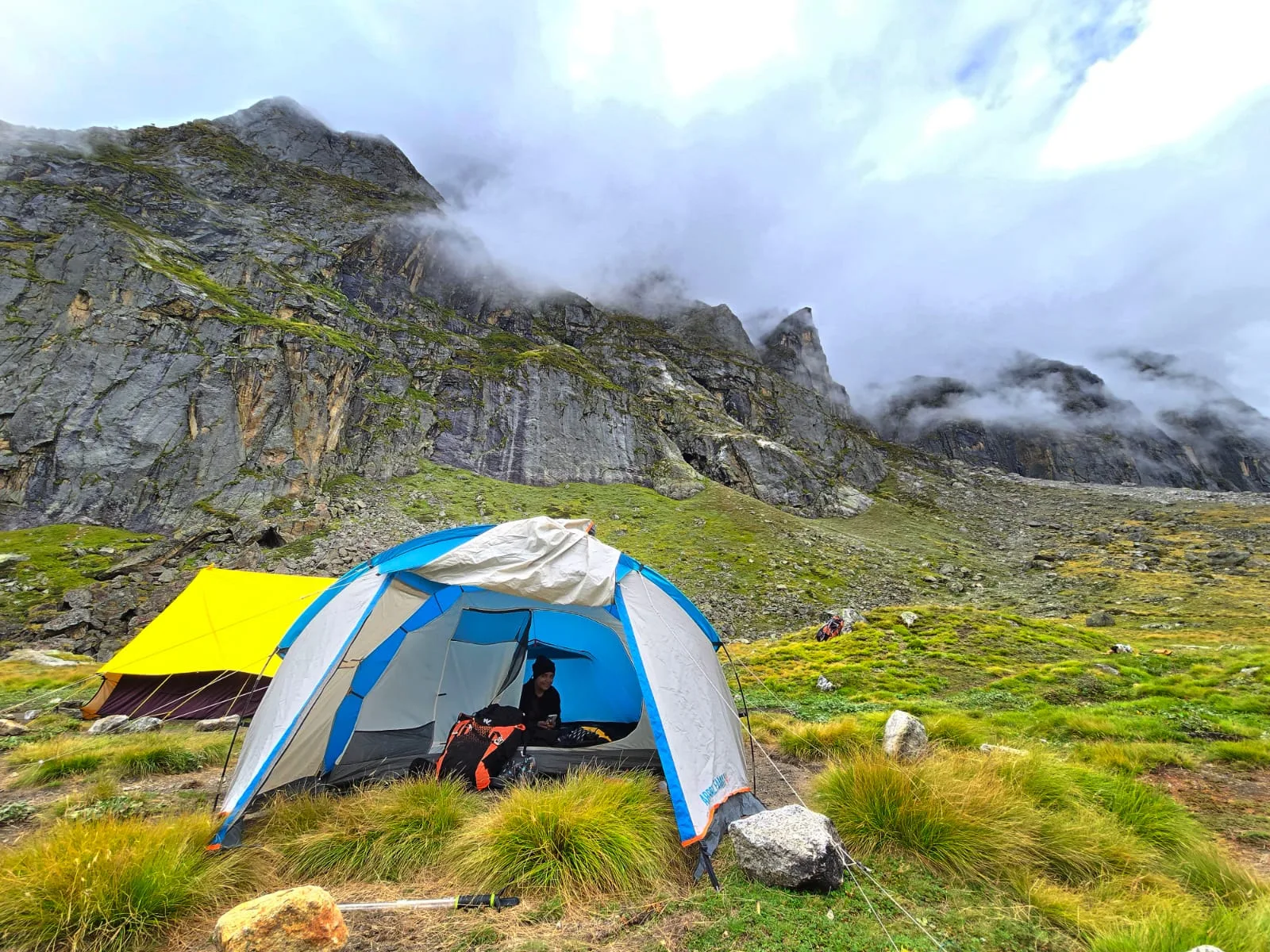
Camps for accommodation with sleeping bags and mattress
Full team - TrekNgo guide, Porter and cook for the trek
Day 1 - Stay in Badrinath or Mana guest house
Day 2 - Stay at Mana village guest house
Day 7 - Stay at Mana Village guest house.
Transportation from Rishikesh/Dehradun to Badrinath via Joshimath
Exclusion
Anything thats not mentioned
Any extra porter for personal luggage
Any extra services like train, bus, tickets etc
Any entry charges unless specified
Any extra days stay in Mana or any other place
Things To Carry
Layers of Clothings - Warmers - Fleece - fown jacket - puffer jacket
Trekking pants with warmer additional
Woolen cap, Extra pair of socks, Hand gloves
Neck warmer, Bandana to cover face
Raincoats, Rainbag cover
Sunshades, Hat, Cap to protect from direct sun
High ankle waterproof trekking shoes
Headlamp with Extra Batteries
Trekking poles
Personal medical kit
Sunscreen, moisturisers, personal toiletries
Waste bag (very important) To collect all the waste to be carried back at Base camp Mana village.
Weather, Seasons & Best Time to Trek Satopanth
Optimal Trekking Windows: May-June (Late Spring/Early Summer)
Temperatures: 5°C to 15°C during day, -2°C to 5°C at night
Advantages: Snow melts off lower sections, trails accessible, flowers bloom in meadows, clear skies frequent
Challenges: Some snow at higher altitudes, occasional early summer rains
Best For: First-time high-altitude trekkers, photographers, spiritual seekers
Why Popular: Perfect balance of accessibility and alpine beauty
September-October (Fall/Early Autumn)
Temperatures: 8°C to 18°C during day, 0°C to 8°C at night
Advantages: Crystal-clear skies, stable weather, less crowded, autumn flowers
Challenges: Chilly nights, weather can change suddenly
Best For: Experienced trekkers, those seeking solitude, photographers seeking clarity
Why Popular: Highest visibility, most stable weather
Why AVOID These Times:
Monsoon (July-August): Heavy rainfall, cloud cover blocks views, waterlogged trails, flooding risks, avalanche danger.
Winter (November-March): Extreme cold (-10°C to -20°C at night), heavy snow, inaccessible trails, serious avalanche danger. Only for experienced mountaineers.
Altitude & Temperature Dynamics:
Temperature drops approximately 1°C for every 150m elevation gain. At Satopanth Lake (4,600m), expect temperatures 20-25°C colder than at Badrinath base camp.
Sunrise at Altitude: The views at sunrise from Chakratheertha (4,200m) are worth waking up at 5 AM. The peaks glow pink before turning golden—a moment of pure magic.
Physical Fitness & Preparation: Can You Really Do It?
Who Can Trek Satopanth?
Fitness Level Required: Moderate-to-good fitness. Not beginner-level, but not technical mountaineering either.
Age Range: Ages 16-65+ have successfully completed this trek. Physical fitness matters more than age. A 55-year-old in excellent shape will do better than a 25-year-old who's sedentary.
Prior Experience: 1-2 previous trekking experiences (ideally 3,000m+ altitude) are recommended. Satopanth is significantly higher than beginner treks.
Essential Requirements:
- Ability to walk 6-8 hours daily
- Comfort at 15,100 ft altitude
- Mental toughness for challenging terrain
- No fear of heights (some ridges are exposed)
- Patience for acclimatization
Pre-Trek Training (8-10 weeks recommended):
- Cardiovascular Base:
- Running/jogging 3x weekly: 45-60 minute sessions with hills
- Cycling 2x weekly: 60-90 minutes on varied terrain
- Swimming 1-2x weekly: 45 minutes
- Stair climbing with weighted backpack
Strength & Endurance:
- Quad strengthening: 3x weekly (lunges, step-ups, squats with weights)
- Core work: planks, crunches, leg raises
- Calf raises: 3x 20 reps
- Hiking: At least 2-3 practice hikes at altitude (2,000m+)
- Altitude Acclimatization:
- If possible, trek at 3,000m+ elevation 4-6 weeks before Satopanth
- Practice trekking with 12-15 kg backpack on hills
Acclimatization Schedule:
- Day 1-2: Badrinath base (3,100m)—essential for acclimatization
- Day 3: Laxmi Van (3,800m)—moderate increase
- Day 4: Chakratheertha (4,200m)—large increase, day of rest on arrival
- Day 5: Satopanth Lake (4,600m)—summit day, day trip from 4,200m
This gradual ascent significantly reduces AMS risk.
Beyond Satopanth: Additional Spiritual & Adventure Activities
Pre-Trek Activities (Build Spiritual Mindset):
Badrinath Temple Visit
The sacred pilgrimage site at your trek base. Visit early morning to witness the temple aarti (ritual). The temple's architecture and spiritual energy prepare you mentally for the journey ahead.
Joshimath (City of Adi Shankaracharya)
Historical center founded by the great spiritual teacher. Explore the ancient Shankara Math and soak in the spiritual atmosphere.
Mana Village Exploration
Walk through India's last inhabited village, visit Vyas Gufa, Ganesh Gufa, and understand the Pandava mythology firsthand.
Post-Trek Activities (Extend Your Experience):
Auli Ski Resort & Meadows Trek
Known as the "Skiing Capital of India," this alpine meadow area (2 hours from Badrinath) offers beautiful day treks and winter sports. Perfect for extending your trip by 2-3 days.
Chopta Trek (Tungnath)
Often called "Mini Switzerland," Chopta offers easier trekking through rhododendron forests and meadows. Tungnath has spiritual significance (one of the Panch Kedars sacred temples).
Hemkund Sahib Trek
Another sacred high-altitude pilgrimage site. Can be combined with Satopanth for a 10-12 day spiritual expedition.
Valley of Flowers Trek
Though seasonal (July-September), this UNESCO World Heritage site offers unmatched floral beauty. Combine with Satopanth for a comprehensive Uttarakhand adventure.
Final Thoughts: A Journey Beyond Mountains
Satopanth Lake Trek isn't just a physical challenge—it's a spiritual pilgrimage. It's walking where saints and Pandavas walked. It's standing at a sacred lake and feeling the presence of something greater than yourself. It's returning to civilization transformed.
Whether you seek adventure, spiritual awakening, mythological connection, or simply to test your limits—Satopanth delivers all of this and more. The emerald lake at 15,100 feet, the triangular shape representing the Holy Trinity, the silence that echoes ancient stories, the peaks that touch heaven—this trek transcends normal tourism.
The Path of Truth awaits. Will you walk it?
Faq's
Satopanth trek is located in Badrinath Mana village.
To book satopanth trek via trekngo simply enquire on whatsapp or phone number for proper details on current road and weather conditions of the trail and permit. Simply share identity cards with medical certificates and booking amount for the confirmation.
Satopanth trek is a Moderate to challaneging trek fits best for experienced trekkers. The trail passes through meadows, Water crossings, boulders, glaciers.
For Satopanth trek best and ideal time is from May to June (Snow trail). September to October.
Cancellation Policy
30 - ∞ Days
25% Deduction
15 - 29 Days
50% Deduction
0 - 15 Days
100% Deduction